Welcome
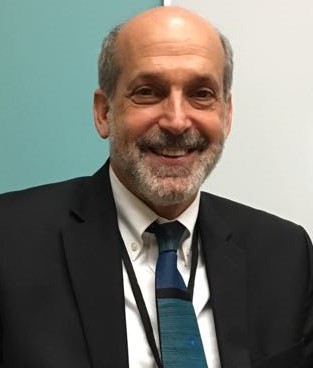
From Our Executive Director
Schools for Children prides itself in creating school communities that are responsive to the individual needs of its students. Since no one model best matches the needs of all students, we have strived to create distinctive schools characterized by varied learning methodologies targeted to specific student populations. Each of the five schools currently under our umbrella represents an effort to transform learning by offering programs that constitute the right fit for its unique set of students.
Our schools have rich histories, sparked by innovation. Both Dearborn Academy and Lesley Ellis School began 70 years ago and served as lab schools for Lesley College, which by definition were used for educational experimentation and research, teacher training and professional development.
Dearborn Academy, for instance, was a pioneer in reading instruction and special education. Lesley Ellis was an innovator in anti-bias curriculum, STEP in independent short term assessments, and Seaport Academy in maritime education and all-boys programming. Our SFC Extended Learning Programs, as the name suggests, expands learning opportunities beyond the traditional classroom, including through recreational and enrichment activities.
These innovations, and more, are nested in caring school communities. When new students walk through the door of one of our schools, they feel welcomed and to them, it’s just like we were waiting for them to arrive. While attending school, they feel they belong to a true community of learners. By the time they leave, their lives have been transformed.
Schools for Children: Transforming Learning, Transforming Lives.
Sincerely,

Paul Stein
Executive Director